

Many people search for answers when their body feels off — constant fatigue, slow metabolism, stubborn weight, or brain fog that doesn’t improve even with better sleep or diet.
One term is appearing more and more in wellness conversations:
mitochondrial dysfunction.
But what does it really mean, and why does it matter so much for daily energy, metabolism, and gut health?
What Is Mitochondrial Dysfunction?
If you’ve ever searched “what is mitochondrial dysfunction”, the simplest explanation is this:
Mitochondria are tiny structures inside your cells responsible for producing energy. When they don’t function properly, the body struggles to convert food into usable fuel.
This condition is often referred to as:
- mitochondria dysfunction
- dysfunctional mitochondria
- or impaired cellular energy production
Even though the name sounds complex, its effects are very real and very common in modern lifestyles.
Symptoms of Mitochondrial Dysfunction You Shouldn’t Ignore

Many people experience mitochondrial dysfunction symptoms without realizing the cause.
Common symptoms of mitochondrial dysfunction include:
- Persistent low energy
- Slow or unresponsive metabolism
- Difficulty losing weight
- Frequent energy crashes
- Brain fog or poor focus
- Digestive discomfort
These mitochondrial dysfunction symptoms often overlap with stress or aging, which is why the root cause is frequently overlooked.
What Causes Mitochondrial Dysfunction?

A common question is “what causes mitochondrial dysfunction?”
In reality, it’s rarely just one factor.
Some of the most common contributors include:
- Chronic stress and poor recovery
- Inflammation and oxidative stress
- Poor gut health affecting nutrient absorption
- Nutrient deficiencies that support cellular energy
- Sedentary lifestyle or irregular sleep patterns
Over time, these factors lead to dysfunctional mitochondria, slowing down energy production and metabolic efficiency.
Mitochondria Dysfunction and Metabolism: The Hidden Link
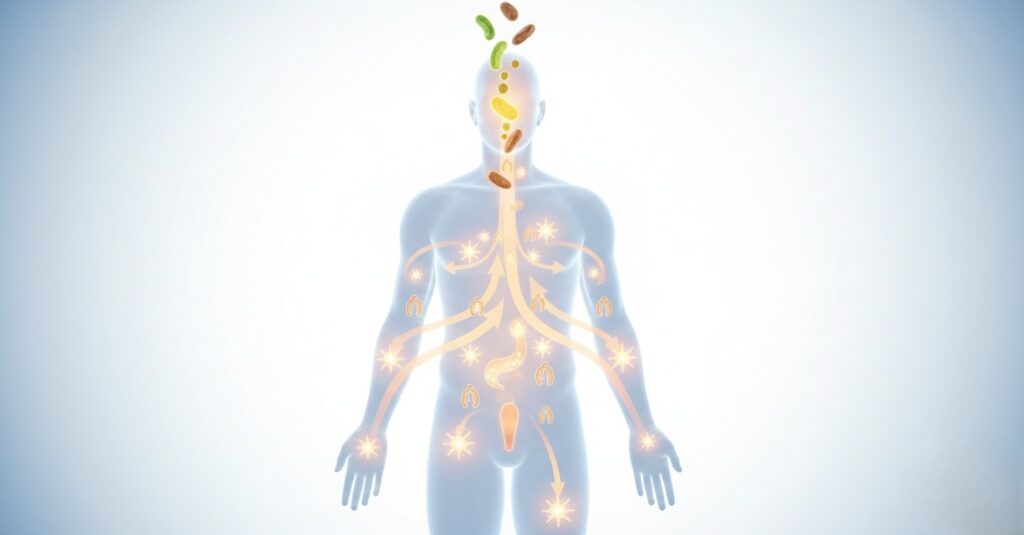
Your metabolism isn’t just about calories — it’s about how efficiently your cells use energy.
When mitochondrial dysfunction develops:
- Fewer calories are converted into energy
- More fuel is stored instead of burned
- Metabolic signals become weaker
This is why many people struggle with weight even when they “do everything right.”
Supporting mitochondrial health helps restore balance at the cellular level, allowing metabolism to function more efficiently.
Can Mitochondria Dysfunction Be Reversed?
A common search is “can mitochondrial dysfunction be reversed?”
While the body’s needs vary from person to person, research shows that mitochondrial function can often be supported and improved through consistent lifestyle and nutritional strategies.
This includes:
- Improving gut health and digestion
- Reducing inflammation and oxidative stress
- Supporting cellular energy pathways naturally
- Adopting habits that encourage metabolic flexibility
The goal isn’t instant energy — it’s sustainable cellular support.
How to Fix Mitochondrial Dysfunction (Naturally)

People often ask “how to fix mitochondrial dysfunction” — but the key is understanding that there is no quick fix.
A smarter approach focuses on:
- Nutrients that assist mitochondrial energy production
- Daily habits that reduce cellular stress
- Supporting metabolism at the root level, not just surface symptoms
Today, many people explore advanced metabolic support solutions designed to work with the body’s natural energy systems instead of forcing stimulation.
👉 Learn how modern metabolic support works at the cellular level.
How to Test for Mitochondrial Dysfunction (What People Should Know)
Another frequent question is “how to test for mitochondrial dysfunction?”
While specialized clinical testing exists, many people first recognize mitochondrial issues through persistent symptoms that don’t respond to basic lifestyle changes.
If fatigue, slow metabolism, or digestive issues continue despite improvements in sleep and diet, it may signal the need for deeper cellular support.
Why Gut Health Matters for Mitochondrial Function
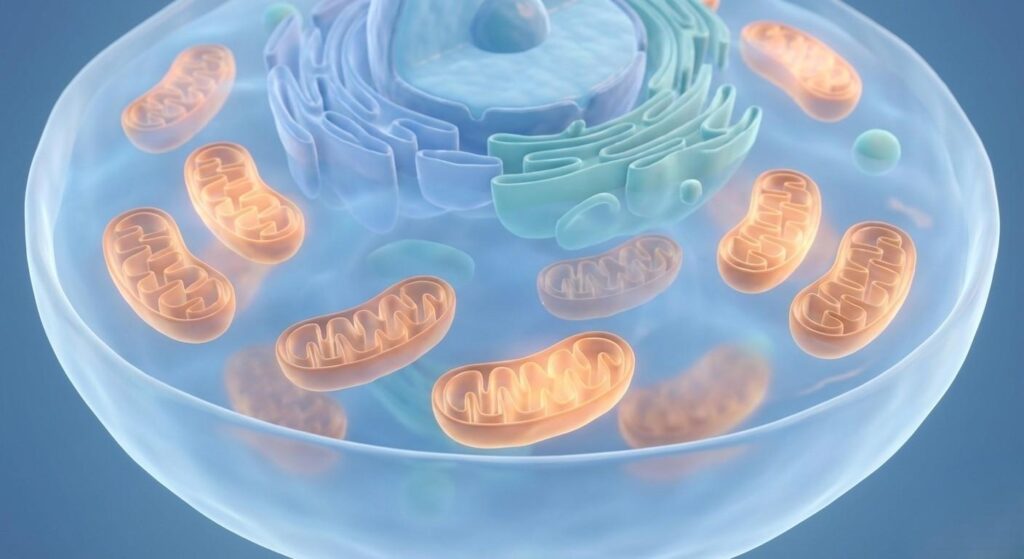
Mitochondria rely on nutrients absorbed through the gut.
When digestion is compromised:
- Energy nutrients aren’t fully absorbed
- Cellular energy production weakens
- Inflammation increases
This is why metabolic health, gut balance, and mitochondrial support are closely connected — and should be addressed together.
Informational content only. Not medical advice.
Supporting Your Mitochondria for Long-Term Energy
(No image needed)
Instead of relying on stimulants or extreme diets, many people now focus on cellular-level energy support.
This approach helps:
- Improve daily energy naturally
- Support metabolism without crashes
- Encourage healthier weight management
- Promote long-term vitality
Informational content only. Not medical advice.
Final Thoughts: Energy Starts Inside Your Cells
If you’ve been searching for answers about:
- mitochondrial dysfunction
- mitochondria dysfunction
- symptoms of mitochondrial dysfunction
- what causes mitochondrial dysfunction
The takeaway is simple:
Energy, metabolism, and weight all begin at the cellular level.
Supporting your mitochondria is one of the most effective ways to help your body work smarter — not harder.
Disclaimer
This content is for informational purposes only and does not diagnose, treat, cure, or prevent any disease. Always consult a healthcare professional before making changes to your diet or wellness routine.