
Waking up tired after a full night’s sleep is frustrating — and surprisingly common. You follow a regular sleep schedule, get 7–8 hours, yet your body feels drained.
The truth is that energy isn’t determined by sleep alone. Metabolism, mitochondria, gut health, hormones, and inflammation all work behind the scenes to recharge your body. When one or more of these systems aren’t functioning optimally, fatigue can persist — even after seemingly perfect sleep.
In this article, we’ll explore why you feel tired despite sleeping well and what you can do to support your body’s energy systems naturally.

1. Sleep Quality vs. Energy Levels
Many people assume sleep duration is everything. In reality, sleep quality matters just as much as quantity. Factors like stress, blue light exposure, and blood sugar spikes can prevent deep, restorative sleep — leaving you groggy in the morning.
But even if sleep quality is good, other internal systems play a crucial role in energy production.
2. Mitochondrial Function: Your Body’s Energy Engine
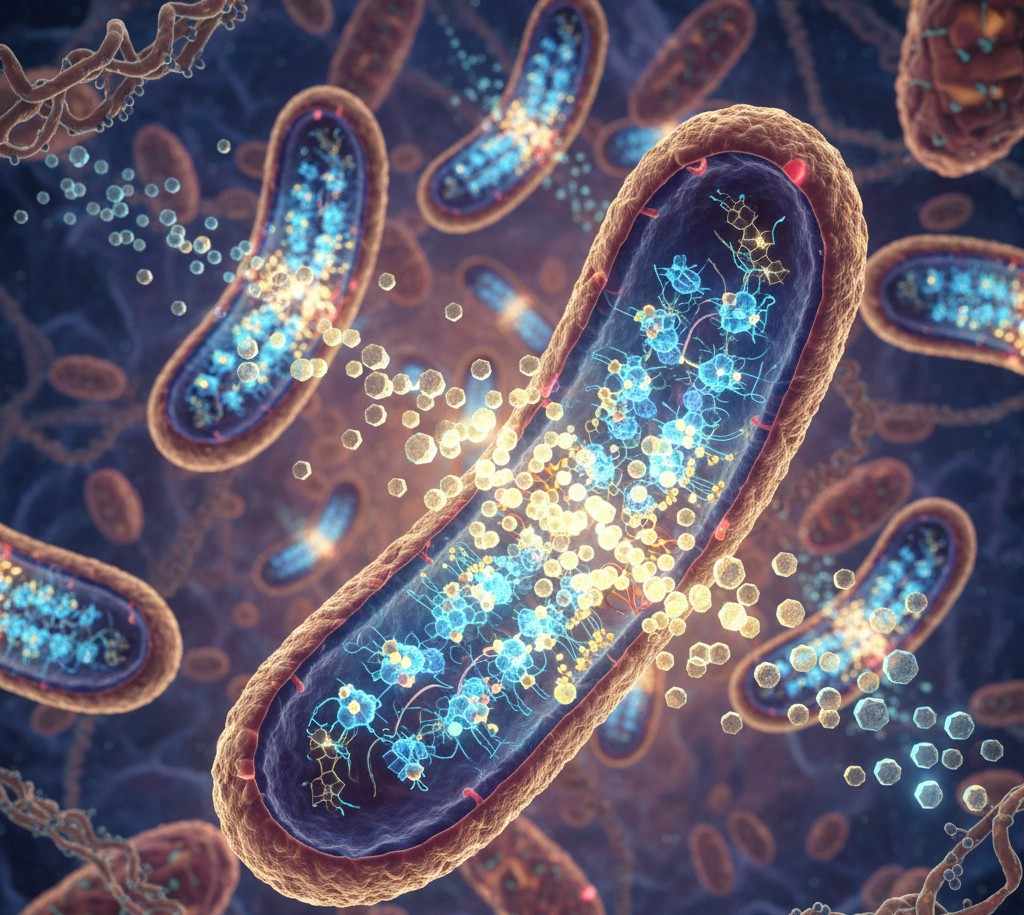
Your mitochondria are tiny powerhouses inside every cell. They convert nutrients into ATP — the chemical energy your body runs on.
If mitochondria are underperforming due to inflammation, poor nutrient intake, or toxin overload, your energy output drops. This is a major reason why fatigue can persist even after sleeping well.
Signs of sluggish mitochondria include:
- Constant fatigue
- Brain fog
- Difficulty losing weight
- Low stamina
3. Metabolism and Its Role in Energy
Metabolism is more than burning calories — it’s the process of converting food into usable energy. A sluggish metabolism can make even a full night of sleep insufficient for restoring energy.
Symptoms of a slower metabolism include:
- Fatigue after meals
- Afternoon energy crashes
- Unintended weight changes
- Sugar or carb cravings
Supporting your metabolism naturally helps your body produce energy more efficiently, regulate hormones, and maintain healthy weight.
4. Gut Health Impacts Energy
Your gut is central to nutrient absorption, inflammation control, and hormone regulation. If your gut microbiome is imbalanced, your body may not absorb the vitamins and minerals it needs to produce energy efficiently.
Gut imbalance can also increase inflammation and disrupt hormones like cortisol and melatonin, which are critical for restorative sleep.
Tips to support gut health:
- Eat more fiber and fermented foods
- Reduce processed foods and sugar
- Stay hydrated
- Manage stress
5. Chronic Inflammation Can Cause Fatigue
Inflammation is a natural immune response, but chronic, low-grade inflammation drains energy. Your body diverts energy toward fighting inflammation instead of restoring cells and tissues during sleep.
Reducing inflammatory triggers — like processed foods, excess sugar, stress, and poor sleep habits — can help your energy levels rebound naturally.
If you consistently feel tired despite sleeping well, many people find it helpful to explore high-quality metabolic-support supplements that target energy production and mitochondrial health.
6. Hormones and Energy Regulation
Hormones like cortisol, melatonin, thyroid hormones, and insulin regulate your energy, sleep cycles, and metabolism. Imbalances in these hormones can lead to:
- Morning fatigue
- Afternoon crashes
- Difficulty losing weight
- Mood swings
Lifestyle factors, gut health, and stress all influence hormonal balance. Supporting these systems naturally can improve energy over time.
7. Detox Overload and Tired Mornings
Your body performs detoxification processes at night, including clearing toxins and repairing cells. If detox pathways are overloaded — from environmental toxins, poor diet, or alcohol — your body works harder during sleep, leaving you feeling unrefreshed.
Supporting liver and gut function, hydration, and nutrient intake helps your body detox more efficiently.
8. Practical Steps to Boost Morning Energy
- Support Mitochondria:
- Eat nutrient-rich foods
- Increase antioxidants
- Avoid processed sugar
- Stay active
- Eat nutrient-rich foods
- Boost Metabolism:
- Prioritize protein
- Manage blood sugar
- Strength training and movement
- Prioritize protein
- Improve Gut Health:
- High fiber and fermented foods
- Stay hydrated
- Reduce processed foods
- High fiber and fermented foods
- Reduce Inflammation:
- Include omega-3s
- Limit alcohol
- Maintain consistent sleep schedule
- Include omega-3s
- Balance Hormones:
- Morning sunlight exposure
- Consistent sleep schedule
- Avoid late-night eating
- Morning sunlight exposure

FAQ: Why You Feel Tired Even After Sleeping Well
Q1. Is it normal to feel tired despite 8 hours of sleep?
Occasionally yes, but persistent fatigue may indicate metabolic, mitochondrial, or gut health issues.
Q2. Can gut health affect my energy?
Absolutely. A balanced gut supports nutrient absorption, hormone regulation, and inflammation control, all crucial for energy.
Q3. Why do I feel tired if I didn’t wake up during the night?
Non-restorative sleep or metabolic stress can prevent your body from fully recharging, even if you remain asleep.
Q4. How does inflammation contribute to fatigue?
Chronic inflammation forces your body to use energy for repair instead of generating new energy, leaving you drained.
Q5. Can lifestyle changes really help?
Yes. Supporting metabolism, mitochondria, gut health, hormones, and detox pathways can significantly improve energy.
Looking for deeper metabolic support?
Some readers choose to explore advanced mitochondrial support supplements to help boost daily energy levels. If you’d like to learn more, you can visit the official resource page below.